 Posted by
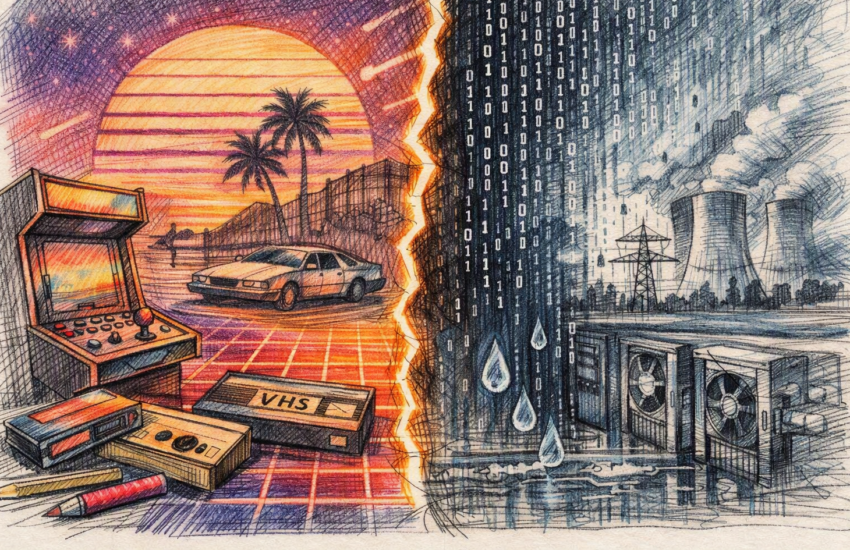
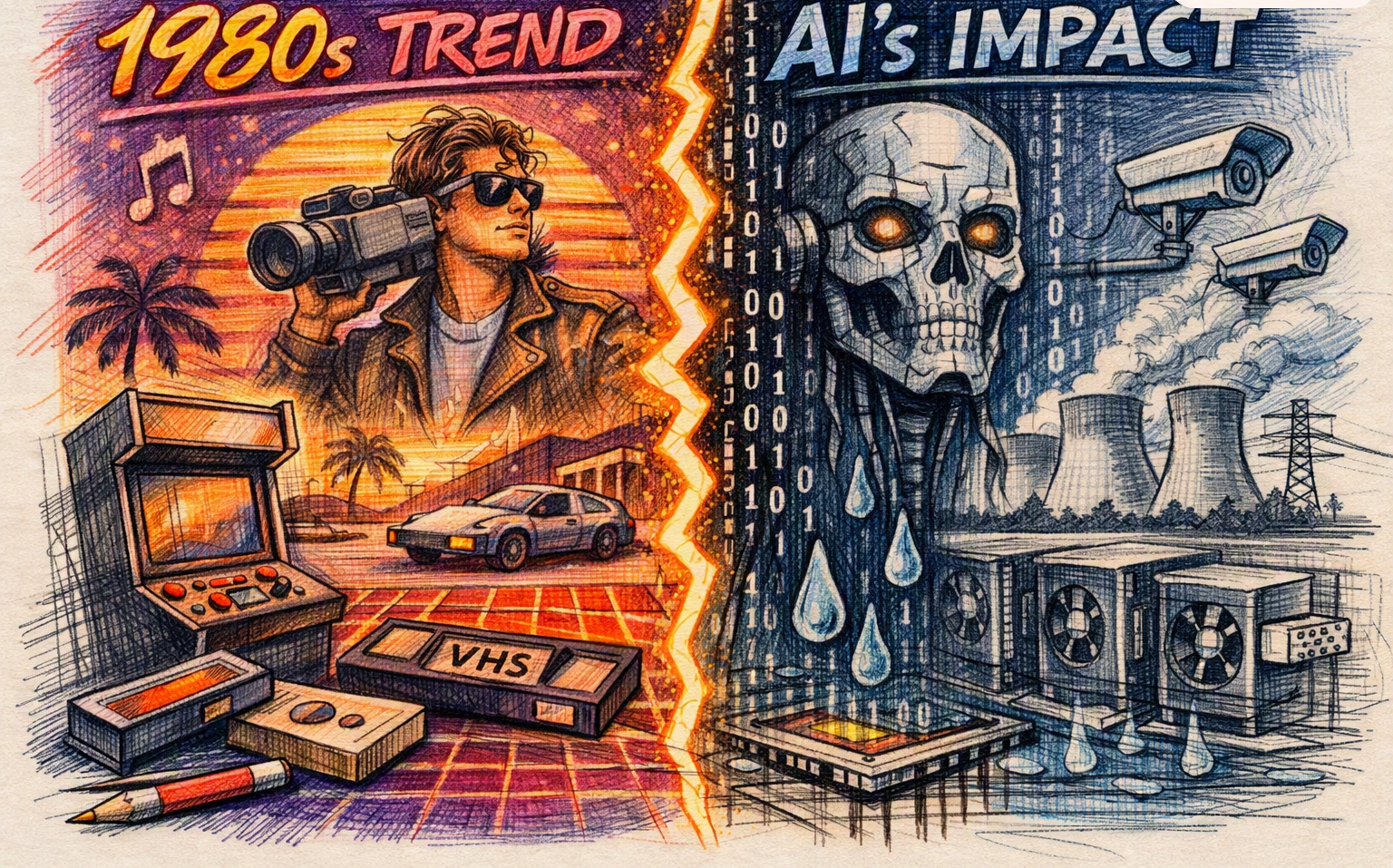
 We’re living in a strange moment. AI is taking us back to the 1980s — neon grids, VHS filters, retro hairstyles. Millions of people are uploading their selfies to get “nostalgic portraits.” It feels harmless, even joyful. But beneath the surface, something deeper is happening.
🎭 The Emotional Pull of Nostalgia
Humans are wired to chase memories. The 1980s represent freedom, bold fashion, and the birth of personal computers. AI taps into that psychology — it gives us a chance to relive a past we never fully experienced. That’s why the trend feels so addictive.
But nostalgia can blind us. While we’re smiling at our retro portraits, we forget to ask: Where is my face going? Who owns it now?
🔒 The Hidden Consequences
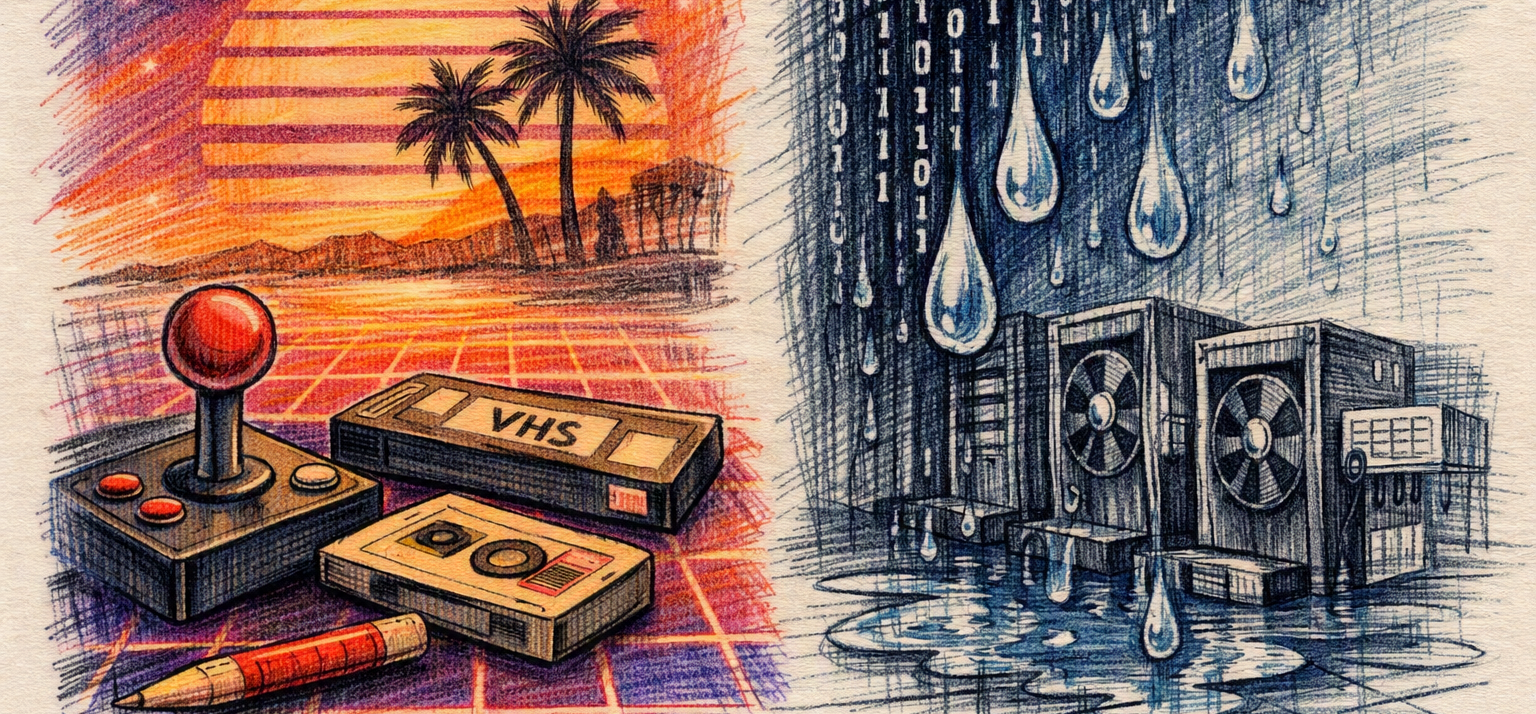
- Data exploitation: Every selfie uploaded can be stored, reused, or even fed into future AI training models. Most users never read the fine print.
- Privacy risks: Your likeness could be used in ways you never consented to — from advertising to facial recognition.
- Environmental impact: Each image consumes electricity and water in data centers. One portrait seems small, but millions create a massive footprint. Environmental Cost of Artificial Intelligence : check here
- Psychological manipulation: Trends normalize giving away personal data for entertainment, making us less cautious over time.
📊 Visible Benefits vs Hidden Consequences
| Visible Benefits | Hidden Consequences |
|---|---|
| Fun retro portraits with neon grids and VHS vibes | Uploaded faces stored in datasets, reused for AI training |
| Nostalgia and emotional joy | Privacy risks: likeness used without clear consent |
| Easy, instant creativity for social media | Environmental impact: electricity + water use in data centers |
| Viral engagement and community participation | Psychological manipulation: normalizes giving away personal data |
| Sense of belonging to a global trend | Long‑term exploitation of identity and digital footprint |
🧠 The Psychology of “Unseen Costs”
We love what we can see — the glowing neon, the retro vibe. But our brains struggle to process invisible consequences. Electricity, water, privacy — these are abstract. That’s why AI companies thrive: they give us visible joy while hiding invisible costs.
It’s the same trick the 1980s used with advertising — sell the dream, ignore the fine print.
🌍 Why This Matters
The AI 1980s trend isn’t just about fun portraits. It’s a mirror of our relationship with technology: we give away pieces of ourselves for entertainment, without realizing the trade‑off.
Every image is more than nostalgia. It’s a data point. A resource. A cost.
✨ Closing Thought
The 1980s gave us personal computers. The 2020s give us AI powerful enough to reshape identity itself. The question is not whether the portraits look good — it’s whether we’re ready to face the consequences of giving away our faces.
Think before you upload your face.